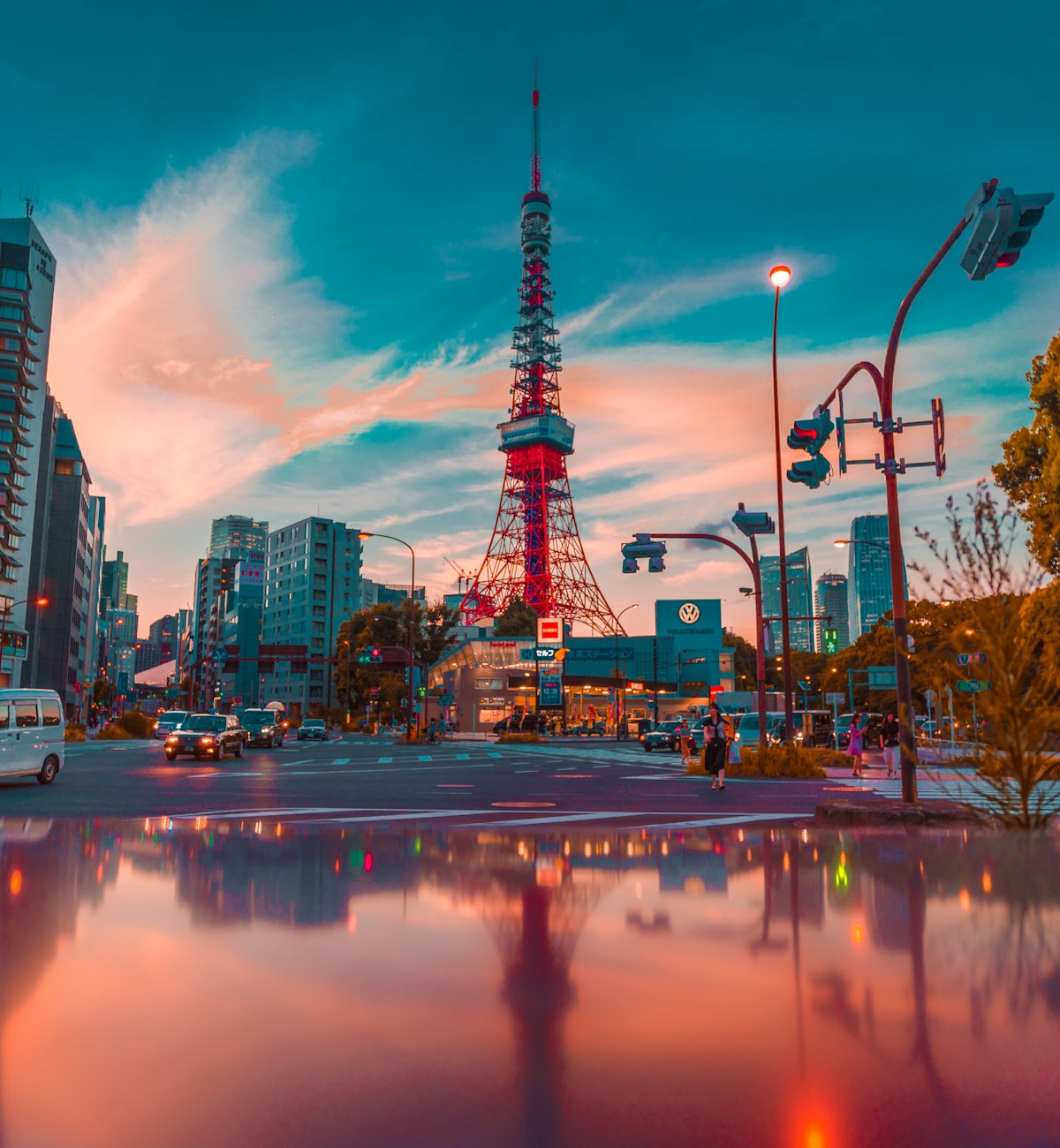
Everyone who goes to Japan comes back changed in some small way. The country has a way of operating that quietly resets your expectations of what a functioning society looks like — the trains that run to the minute, the city streets without litter, the restaurant that takes one table at a time and has held a Michelin star for thirty years. After three weeks, you stop noticing these things as remarkable and start seeing them as a baseline. That's when it gets dangerous.
What the guidebooks miss
Most first-time visitors do Tokyo–Kyoto–Osaka and leave satisfied. That route is excellent. But Japan's texture lives in the gaps: the kissaten (old-school coffee shops) that haven't changed since 1972, the neighbourhood shotengai (covered shopping streets) that serve the same community they always have, the rural onsen towns that see almost no foreign visitors.
On convenience stores
Japanese convenience stores — 7-Eleven, Lawson, FamilyMart — are not what you know. They are genuinely good. The onigiri (rice balls) are fresh and varied. The sandwiches are better than most European café sandwiches. Hot food is prepared properly. You can pay bills, print documents, and collect concert tickets. Plan to eat from them regularly; it's neither a compromise nor a budget move — it's what locals do.
On cash
Japan remains a largely cash society. Many smaller restaurants, rural guesthouses, and temples accept nothing else. The solution is simple: withdraw from a 7-Eleven ATM (they reliably accept foreign cards) and carry ¥20,000–30,000 at all times. Don't be caught cashless in a mountain village on a Sunday.
A suggested three-week route
- Days 1–5: Tokyo. Shinjuku, Shibuya, Yanaka (the old quarter that survived the bombing), TeamLab Planets, the Tsukiji outer market at 6am.
- Days 6–8: Hakone or Nikko. Mountains, onsen, and — weather permitting — a clear view of Fuji.
- Days 9–12: Kyoto. Fushimi Inari (at dawn, before the crowds), Arashiyama, the Philosopher's Path, a tea ceremony in Uji.
- Days 13–14: Nara. The deer are genuinely wild and genuinely unbothered by humans. Todai-ji temple houses the world's largest bronze Buddha.
- Days 15–17: Osaka. Dotonbori, Kuromon market, takoyaki at midnight. Osaka is louder and less polished than Kyoto — some people prefer it.
- Days 18–21: Hiroshima and Miyajima. The Peace Memorial Museum is one of the most important museums in the world. The island of Miyajima, with its floating torii gate, is one of Japan's canonical images for good reason.
Practical tip: Book the shinkansen (bullet train) seats for specific busy routes (especially during cherry blossom season) in advance. For most other trains, just tap in and tap out with your Suica card.
The thing nobody tells you
You will want to go back. Almost everyone does. Japan is the rare destination that gets more interesting, not less, the more you understand it. The first trip is for the surface — the temples, the food, the efficiency. The trips after that are for everything underneath.